.png)
Office relocation planning tips for London businesses with a trusted man and van team
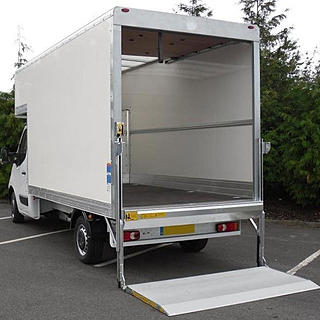
Office relocation London is more than just packing boxes and loading vans. You know the stakes: every minute your business isn’t running means lost opportunities and mounting stress. That’s why planning with a trusted man and van team who understands London’s zones and challenges matters. Keep reading to find clear, practical steps that help you move smoothly, minimise downtime, and get your team settled fast. Read more about planning an office move in London.
Planning Your London Office Move
Moving an office in London involves more than just logistics. It's about smart preparation tailored to your needs. Let's break down how you can navigate this process effectively.
Assessing Your Office Needs
Start your planning by evaluating your current office setup. Identify what you need in your new space. Consider the number of desks, meeting rooms, and storage areas. Think about your team's workflow and what suits it best.
Make a list of items you want to keep or leave behind. Around 30% of businesses find they move with too much clutter. Streamline your equipment and furniture choices. This evaluation helps you envision a space that supports growth and efficiency.
Setting a Realistic Timeline
Having a timeline is crucial. Determine key dates for each phase of your move. Begin by setting a moving date, then work backward. Consider tasks like notifying stakeholders, packing, and setting up utilities.
Allow buffer time for unexpected delays. A well-planned timeline reduces stress and ensures nothing is left to the last minute. 67% of successful moves stick to a clear timeline. Prioritise tasks effectively to cover all bases without rushing.
Budgeting for the Move
Your budget guides your decisions. Begin with a rough estimate of costs like moving services, new furniture, and potential lease overlaps. Allocate funds for unexpected expenses, as they often arise.
Research costs for professional services, such as packing and unpacking services. Investing in these can save time and prevent breakages. A clear budget ensures you remain on track financially throughout your move.
Choosing the Right Moving Partner
The success of your move depends on choosing the right partner. Here's how to make an informed decision.
Why Opt for a Man and Van?
A man and van service is flexible and tailored to your needs. Unlike larger companies, they offer personalised attention. You pay for what you need, no more, no less. This option is ideal for smaller or medium-sized offices, helping reduce costs while ensuring care for your belongings.
Most people think big companies are best, but smaller teams often provide better customer service. You're not just another client; your move is their priority.
Evaluating Removal Companies
When evaluating removal companies, check their reputation. Look for reviews online and ask for references. Investigate if they have experience with office moves in London. This local knowledge can be invaluable.
Compare quotes, but remember: the cheapest isn't always the best. Look for value, including services like dismantling and reassembly of furniture. Trust in a company's expertise can make all the difference.
Key Questions for Moving Companies
During your first meeting, ask crucial questions. What insurance do they offer? How do they handle special requirements, like IT equipment? Clarify their process for managing delays or damages.
Understanding these aspects builds confidence in your choice. Remember, the right company should communicate openly and address your concerns promptly.
Preparing for Moving Day
With your partner chosen, focus shifts to ensuring a smooth moving day. Follow these steps to stay organised.
Packing and Unpacking Services
Consider professional packing and unpacking services. They save time and ensure your items are protected. Experts know how to pack fragile or valuable items properly.
If you prefer DIY, start early. Label boxes clearly and keep an inventory. Efficient packing speeds up unpacking, allowing your team to settle faster.
Managing IT Equipment Moving
Your IT setup is crucial. Plan to move it with minimal disruption. Back up all data before moving day. Coordinate with your IT team for a smooth transition.
Consider hiring specialists for this task. They understand the intricacies of setting up networks and equipment. This ensures your systems are up and running quickly, minimising impact on business operations.
Minimising Downtime During the Move
Downtime costs money. Plan to minimise it. Schedule your move during off-peak hours or weekends. Inform clients and suppliers about your move well in advance.
Set up a temporary workspace if necessary. Keep key operations running, even during the transition. The longer you wait to plan these aspects, the more costly the move becomes. Remember, a well-planned move is a successful one.
This guide equips you with the steps needed to ensure your London office move is smooth and efficient. With detailed planning and the right partner, your business will transition seamlessly, allowing you to focus on what matters most: your success.


Comments