
Office relocation planning in London: the key details to sort before moving day
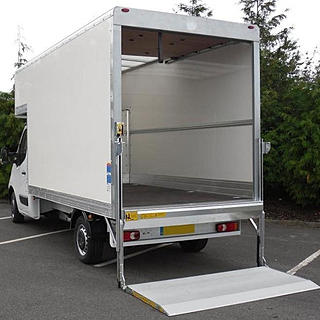
Planning an office relocation in London means juggling many moving parts before the big day arrives. From lift and stair access planning to booking loading bays and arranging parking suspensions, missing a detail can disrupt your schedule and your business. This guide breaks down the essential steps you need to confirm to keep your move on track and maintain business continuity. Ready to organise your office move? Request a tailored quotation or book a pre-move survey with Que Removal Ltd today.
Essential Pre-Move Planning
Preparing for an office move in London requires careful attention to detail. It’s not just about moving items from one location to another but ensuring that each component aligns with your business needs to avoid disruptions.
Office Move Checklist Essentials
An office move checklist is your roadmap to a smooth transition. Start by listing all the essential tasks: identify what moves, what stays, and who’s responsible for each step. Prioritise tasks like securing IT equipment and packing sensitive documents. Clear labelling helps, too. Most people forget these details, but they can save hours. Next, confirm the timing with your moving company. Knowing when they arrive and depart helps you plan team schedules. A well-timed move means less downtime. Finally, prepare your staff. Inform them about new office assignments and moving day protocols. Communication reduces confusion and stress.
Building Management Liaison Tips
Good communication with building management can prevent surprises on moving day. Reach out early to understand any restrictions or requirements. Are there specific times for moving? Are there security protocols to follow? Knowing these details ensures compliance with building rules and avoids last-minute issues. Discuss access to loading bays or lifts. Some buildings have limited access, and you’ll need to book these in advance. It’s a small step that can significantly impact efficiency. Lastly, get contact information for key personnel. If something goes wrong, you’ll know who to call for quick resolutions.
Lift and Stair Access Planning
Access to lifts and stairs can be a game-changer. If lifts are available, confirm their size and weight limits. This information helps plan what can be moved in them and what needs to go via stairs. For stair access, assess the width and number of flights. Heavy or bulky items may require special handling. Many forget to consider this, leading to delays and additional costs. Also, book lifts in advance if they’re required. Last-minute bookings can be problematic, especially in busy office buildings where demand is high.
Logistics and Coordination
Logistics play a crucial role in office relocation. A well-coordinated move minimises disruptions and ensures everything arrives as intended.
Parking Suspension in London
Parking in London can be challenging, especially on moving day. Apply for parking suspensions well in advance to secure space for moving vehicles. This step prevents unnecessary fines and ensures smooth loading and unloading. Keep in mind, local councils handle these applications, so check specific requirements on their websites. Have you considered alternative parking options? Sometimes, nearby spaces or private lots are available if street parking isn’t. Explore all possibilities to avoid last-minute complications.
Loading Bay Booking Guidelines
Loading bays are prime real estate on moving day. Book them as soon as your move date is confirmed. Ensure the bay size matches your moving truck to avoid space issues. Also, confirm the booking duration aligns with your schedule. Unplanned delays can lead to extra fees. What if the bay isn’t available? Have a backup plan for nearby loading zones. Speak with building management about alternative access points or additional loading spaces.
Crate Packing and Labelling Strategy
Packing crates efficiently can streamline your move. Start by assigning categories: IT equipment, documents, personal items, etc. Clearly label each crate with contents and destination rooms. This practice speeds up unpacking and reduces mix-ups. Consider using colour-coded labels for easy identification. It’s a simple technique that enhances organisation. Encourage staff to pack personal belongings themselves to protect their items and ensure they’re correctly sorted.
Ensuring Business Continuity
Maintaining business operations during a move is crucial. Proper planning can keep disruptions to a minimum and ensure a seamless transition.
IT Relocation London Considerations
Moving IT equipment requires special attention. Begin by backing up all data. It protects your information against loss during transit. Next, label and inventory each piece of equipment. Knowing what you have ensures nothing goes missing. Most people assume IT setups will be quick, but underestimating this can lead to operational delays. Coordinate with IT professionals for setup and testing at the new site. This step confirms functionality before the first working day.
Desk and Chair Relocation Tactics
Office furniture like desks and chairs needs careful handling. Disassemble large items to facilitate easy transport and prevent damage. Label each part for simple reassembly at the new location. Have you considered ergonomic setups? Planning these in advance can enhance workplace comfort and productivity. Assign staff to oversee the process to ensure everything ends up in the right place.
File and Archive Move London
Moving files and archives can be daunting without a plan. Start by digitising essential documents if possible. It reduces physical clutter and safeguards information. For physical files, use sturdy boxes and organise them alphabetically or by department. This system simplifies access post-move. Ensure sensitive documents are secured. Use locked boxes or transport these personally to protect confidential information.
Frequently Asked Questions
How do I apply for parking suspensions in London? You apply for parking suspensions through your local council's website. Check their specific requirements and submit your application well in advance to secure the space needed for moving vehicles.
What should I consider when moving IT equipment? First, back up all data to prevent loss. Label and inventory each piece of equipment. Coordinate with IT professionals to set up and test all systems at the new location before your team starts working.
Why is labelling crates important during an office move? Labelling crates helps to organise items efficiently, speeding up both packing and unpacking processes. It ensures everything is placed correctly in the new office, reducing confusion and saving time.
What are the key steps for building management liaison? Establish early contact to understand any moving restrictions or requirements. Confirm access to loading bays or lifts and gather contact information for key personnel to resolve any issues quickly.
How can I ensure business continuity during a move? Plan thoroughly and communicate clearly with your team. Prioritise setting up IT systems and key office equipment first. Delegate specific responsibilities to staff to manage different aspects of the move efficiently.
This guide should provide a comprehensive overview of planning your London office move. By following these steps, you ensure a smoother transition and maintain business continuity throughout the process.



Comments