.png)
Smart Packing Tips for Your Move
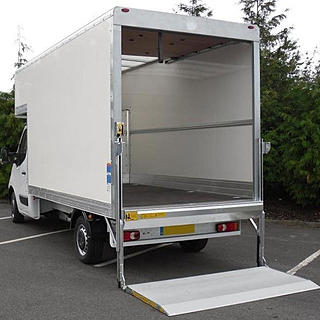
Moving to a new place can feel like trying to solve a giant jigsaw puzzle with pieces scattered everywhere. But with the right approach, packing doesn’t have to be a chaotic scramble. It can be a smooth, even enjoyable, part of your relocation journey. Whether it’s a cosy flat in London or a bustling office in the city, smart packing tips can save time, reduce stress, and protect your belongings. Let’s dive into some clever strategies that will have your boxes packed and ready to roll in no time.
Clever and Smart Packing Tips to Make Your Move Easier
Packing is more than just stuffing things into boxes. It’s about planning, organising, and thinking ahead. Here are some smart packing tips that will help you stay on top of the game:
Start Early and Sort Smart
Don’t wait until the last minute. Begin packing non-essential items weeks before your move. Sort your belongings into categories: keep, donate, recycle, or toss. This reduces clutter and lightens your load.
Use the Right Boxes and Materials
Not all boxes are created equal. Use sturdy boxes for heavy items and smaller boxes for books or fragile things. Wrap delicate items in bubble wrap or old newspapers. Don’t forget packing tape and markers for sealing and labelling.
Label Everything Clearly
A box without a label is like a book without a title. Write down the contents and the room it belongs to. Use colour-coded stickers or markers to make identification quick and easy on moving day.
Pack Room by Room
Focus on one room at a time. This keeps things organised and prevents mixing up items. It also makes unpacking a breeze since you’ll know exactly where each box belongs.
Keep Essentials Separate
Pack a separate bag or box with essentials like toiletries, a change of clothes, chargers, and important documents. This way, you won’t have to dig through boxes on your first night in your new place.
Protect Your Valuables
For fragile or valuable items, consider using specialised boxes or extra padding. If you have artwork or antiques, think about professional packing services to ensure they arrive safely.

What is the Hardest Room to Pack When Moving?
Every room has its quirks, but the kitchen often takes the crown for being the trickiest to pack. Why? Because it’s a treasure trove of fragile items, odd shapes, and heavy stuff all mixed together.
Fragile Items Everywhere
Glassware, plates, and ceramics need careful wrapping and cushioning. Use dish pack boxes with dividers if possible, or wrap each item individually in bubble wrap or thick paper.
Oddly Shaped Appliances
Kitchen gadgets and appliances come in all shapes and sizes. Remove batteries, clean them thoroughly, and pack cords separately. For bulky items like microwaves or toasters, use their original boxes if you still have them.
Pantry Packing
Sort through your pantry and discard expired items. Pack canned goods in small boxes to avoid overloading. Seal bags of flour or sugar tightly to prevent spills.
Utensils and Cutlery
Use utensil trays or roll them in kitchen towels to keep them together and protected. Label these boxes clearly to avoid hunting for forks on moving day.
Cleaning Supplies
Pack these separately and securely to avoid leaks. Consider transporting hazardous materials yourself if possible.
Taking the time to pack the kitchen carefully will pay off when you’re ready to cook in your new home without broken dishes or missing gadgets.
How to Pack Efficiently for a Business Move
Moving a business is a whole different ball game. It’s about minimising downtime and keeping everything organised so work can resume quickly.
Plan with Your Team
Communicate the moving timeline and packing responsibilities clearly. Assign team members to pack specific areas or departments.
Inventory Everything
Keep a detailed list of all equipment, furniture, and supplies. This helps track what’s moved and what’s still to be packed.
Back Up Data
Before packing computers and servers, back up all important data. Label cables and peripherals to make setup easier.
Use Professional Packing Services
For sensitive equipment or large items, consider hiring professionals who specialise in business relocations.
Pack Office Essentials Separately
Keep items like stationery, important documents, and personal belongings in clearly marked boxes or bags.
Label Boxes by Department
This speeds up unpacking and helps the new office get organised quickly.

Tips for Packing Fragile Items Without the Stress
Fragile items can cause the most anxiety during a move. But with a few tricks, you can keep your precious belongings safe and sound.
Use Soft Materials for Cushioning
Bubble wrap, packing paper, or even soft clothing can protect delicate items. Avoid using newspaper directly on glass as the ink can transfer.
Double Box for Extra Protection
Place fragile items in a smaller box, then put that box inside a larger one with padding in between.
Fill Empty Spaces
Prevent movement by filling gaps with packing peanuts, crumpled paper, or towels.
Label Fragile Boxes Clearly
Use bright stickers or write “Fragile” in big letters. Inform movers about these boxes so they handle them with care.
Pack Similar Items Together
Grouping similar fragile items makes packing and unpacking more efficient.
Don’t Overpack Boxes
Keep boxes light enough to carry comfortably and avoid crushing contents.
Final Thoughts on Making Your Move a Breeze
Packing doesn’t have to be a headache. With these smart packing tips, the process becomes manageable and even fun. Remember, the key is to plan ahead, stay organised, and protect your belongings. Whether it’s a home or office move, these strategies will help you settle into your new space with ease.
If you want to explore more detailed packing tips for moving, check out expert advice tailored to make your relocation smooth and stress-free.
Good luck with your move - may your boxes be light and your new beginnings bright!


Comments