.png)
Office relocation in London: how to organise desks, files and equipment with less disruption
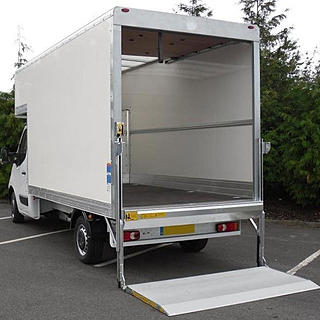
Office relocation in London can disrupt your business if not planned carefully. Without a clear strategy for organising desks, files and IT equipment, downtime can stretch longer than necessary. This guide breaks down London office move planning into practical steps that keep your teams productive and your move on track. Ready to reduce disruption and get your office settled fast? Let’s start with a simple plan that works. For more detailed advice, check out this practical guide.
Planning Your London Office Move
Setting up a successful office relocation in London requires organisation and foresight. Let's kick things off with planning your timeline and assigning roles to ensure a smooth transition.
Timeline for Office Relocation
Establishing a timeline is your first step toward a smooth move. Start by setting the move date and working backwards. Allocate specific tasks to certain weeks or months, ensuring your teams have enough time to prepare. For instance, you might want to begin notifying staff and stakeholders at least three months in advance. Also, book your office removals in London early, as availability can be tight. Timing is key, so consider potential disruptions like holidays or company events. The longer you wait, the harder it becomes to secure the right resources.
Assigning Responsibilities and Roles
Once your timeline is set, it's time to assign roles. Appoint a move coordinator to oversee the process. This person will act as the central point of contact and manage communication between teams. Additionally, designate team leaders in each department to handle specific tasks like packing or IT coordination. Clearly defined roles prevent confusion and ensure accountability. Most people think a move is just about shifting furniture, but it's more about coordination and communication. By setting roles early, you can avoid chaos and maintain productivity.
Organising Desks and Files
Organising desks and files is crucial to an efficient office move. A clear strategy minimises disruptions and ensures a quick setup in your new space.
Zoning and Colour-Coded Labelling
To keep desks organised, start with zoning. Designate specific areas for different departments in your new office. This helps with planning the layout and ensures everyone knows where to go upon arrival. Use colour-coded labels on all boxes and furniture to simplify the process. For example, assign blue for marketing and red for finance. This system speeds up unloading and setup, reducing downtime. It's a simple trick that can make a huge difference.
Secure File Packing and Handling
Files are the backbone of many businesses, so secure packing is vital. Begin by sorting through your current files, identifying what needs to move and what can be archived or shredded. Use sturdy boxes and label each one with contents and department. For sensitive documents, consider security-sealed boxes to ensure confidentiality. Handling files with care prevents loss or damage and keeps your business running smoothly post-move.
Managing IT and Equipment
Handling IT equipment during a move can be challenging, but with proper planning, you can minimise downtime.
Device Audit and Cable Management
Start by conducting a device audit. List all equipment, including computers, printers, and servers. This helps you track what you have and identify outdated items needing replacement. As you prepare to move, organise cables and accessories into labelled bags. This prevents tangling and makes reconnecting equipment easier. Knowing exactly what you have saves time and avoids unnecessary purchases.
Safe Decommission and Recommission Process
Decommissioning and recommissioning IT equipment requires attention to detail. Begin by backing up all data to prevent loss. Once backed up, carefully disconnect each device, following a checklist to ensure nothing is overlooked. Upon arrival at the new office, follow the reverse process. Reconnect devices according to your inventory list, verifying everything works before signing off. Proper handling protects your equipment and ensures a seamless transition.
Frequently Asked Questions
How far in advance should I start planning my office move?
Start planning your office move at least three to six months in advance. This timeframe allows for thorough preparation, including setting a timeline, booking movers, and organising office logistics.
What is the best way to label items for an office move?
Use a colour-coded labelling system for easy identification. Assign a different colour to each department and label all boxes and furniture accordingly. This method streamlines the unpacking process and minimises confusion.
How can I ensure the safety of sensitive documents during a move?
Pack sensitive documents in security-sealed boxes. Clearly label these as confidential and ensure they are handled separately from regular office materials. This approach maintains privacy and prevents data breaches during your move.


Comments