.png)
Planning an Office Relocation in London: Access, Timing and the Equipment to Prepare
Planning an office relocation in London involves more than just moving desks. You need to navigate building access, secure loading bays, and coordinate timing to keep your business running smoothly. This guide covers essential steps for your office relocation London, from managing lift access to preparing the right equipment. Follow along to make your workplace move London organised and stress-free. For a detailed checklist, visit TfL freight and servicing guidance.
Strategic Access Planning
The success of your office relocation hinges on understanding access logistics. Let's start by tackling building entry points.
Building Access for Office Moves
Getting into your building is the first step to a successful move. Check with building management about access times, security protocols, and any restrictions. Knowing these details ensures your team can enter and start the relocation without delays. It's also wise to inform everyone in the building about your moving schedule to avoid any disruptions. With clear communication, you're set for a smooth start.
Loading Bays and Lifts in London
Loading bays and lifts are crucial components of any office move in London. Make sure to reserve loading bays in advance if required. Knowing the weight limits and dimensions of lifts can prevent unexpected issues when moving larger items. Moving during quieter times can ease access to these facilities, reducing stress and making the process seamless. Remember, preparation is key to avoiding last-minute hiccups.
Parking Suspensions Advice
Parking suspensions are often overlooked yet vital in London's busy streets. Apply for parking suspensions early to secure essential spots for the moving trucks. Without this, you risk incurring fines or being unable to park close to your building, complicating the move. Contact your local council for assistance, ensuring you understand the process and any associated costs. This small step can save significant headaches during your office relocation.
Timing Your Move
Timing is everything in a successful office move. Planning when to relocate can mitigate disruptions and ensure continuity.
Evening and Weekend Office Moves
Consider scheduling your office move during evenings or weekends. These periods are less disruptive to daily operations and may be quieter in terms of traffic and building activity. It provides flexibility and helps maintain your business's productivity. By choosing these times, you can also work around clients' schedules, ensuring service remains uninterrupted.
Scheduling for Minimal Downtime
Minimal downtime is crucial for any business. Plan your move around your business's off-peak times. For instance, if your team finishes early on Fridays, this could be an ideal time to start the move. Communicate clearly with staff about new workspace setups and IT configurations, so everyone is ready to resume work promptly. A well-scheduled move keeps your business running smoothly.
Phased Relocation Options
Phased relocation might be the best option for larger offices. This method involves moving departments in stages, allowing parts of your business to remain operational. It requires detailed planning and coordination but can minimize disruption. Keep everyone informed about which departments are moving and when. This strategy ensures a steady transition without overwhelming your resources.
Essential Equipment Preparation
Having the right equipment ready is crucial for an efficient move. Let's explore what's needed for a successful relocation.
IT Equipment Protection for Moves
Protecting IT equipment is vital in any office move. Use protective cases and ensure devices are powered down properly before packing. Label cables and devices clearly to streamline the setup in the new location. Consider hiring professionals for complex setups to avoid mishaps. With careful handling, your tech resources will be ready and operational post-move.
Crate Packing for Offices
Crate packing is an efficient way to move office supplies and equipment. Use sturdy crates that can handle the weight and protect contents during transit. Clearly label each crate with its destination and contents. This organization simplifies the unpacking process and helps staff find their essentials quickly in the new space. Well-packed crates are the backbone of an orderly move.
Luton Vans for London Removals
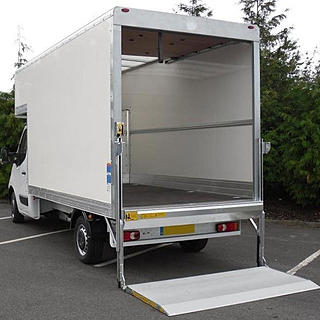
Luton vans are ideal for London office removals. Their size and load capacity make them perfect for transporting office furniture and equipment. Ensure the van is packed securely to prevent damage during transit. It's worth considering hiring professionals for loading and unloading—they can maximize space and ensure safety. Using Luton vans ensures your office relocation is both efficient and effective.
Frequently Asked Questions
What should I consider for building access during an office move?
When planning your office move, check access times, security protocols, and any restrictions with building management. Inform everyone in the building about your moving schedule to prevent disruptions.
How can I minimize downtime during an office relocation?
Schedule your move during your business's off-peak times, such as evenings or weekends. Keep your staff informed about new setups and ensure all equipment is ready for quick deployment.
Why are parking suspensions necessary for an office move in London?
Parking suspensions secure essential spots for moving trucks, preventing fines and ensuring proximity to your building. Contact your local council to apply for these suspensions in advance.
How do I protect IT equipment during a move?
Use protective cases and ensure devices are powered down properly. Label all cables and devices clearly for easy setup in the new location. Hiring professionals for complex setups can also help prevent damage.
What are the benefits of using Luton vans for office removals?
Luton vans have the size and load capacity necessary for transporting office furniture and equipment. They ensure efficient and effective relocation, especially when loaded by professionals.


Comments