.png)
The Ultimate Guide to Planning an Office Move
- que-removals
- Feb 24
- 4 min read
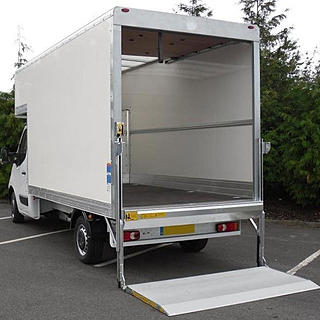
Moving an office can feel like trying to solve a giant jigsaw puzzle while riding a rollercoaster. It’s exciting but can quickly become overwhelming without the right plan. Whether relocating a small team or an entire company, the key to a smooth transition lies in meticulous preparation and smart execution. This guide will walk through every step of planning an office move, helping businesses in London and surrounding areas glide through the process with confidence and ease.
Why Planning an Office Move is a Game-Changer
Jumping into an office move without a plan is like setting sail without a map. It’s easy to get lost in the chaos of packing boxes, coordinating schedules, and setting up new spaces. Proper planning saves time, money, and sanity. It ensures minimal disruption to daily operations and keeps everyone on the same page.
Start by creating a detailed timeline. Break down the move into manageable phases: preparation, packing, transport, and setup. Assign responsibilities to team members or hire professional movers who know the ropes. This approach turns a daunting task into a series of achievable goals.
Key Benefits of Planning Ahead:
Reduces downtime so business keeps humming.
Prevents loss or damage of important equipment and documents.
Keeps employees informed and engaged throughout the process.
Helps manage budget by avoiding last-minute expenses.

Step-by-Step Planning an Office Move
1. Assess Your Current Office Needs
Before packing a single box, take a good look at your current office setup. What’s working? What’s not? This is the perfect time to declutter and decide what to keep, donate, or recycle. Less stuff means less hassle.
Make a list of essential equipment, furniture, and technology that must move to the new location. Also, consider the new office’s layout and how it will affect your workflow. Will you need new furniture or additional storage? Planning these details early avoids surprises later.
2. Set a Realistic Moving Date
Timing is everything. Choose a moving date that minimizes disruption. Weekends or public holidays might be ideal, but sometimes a mid-week move works better depending on your business cycle.
Communicate the date well in advance to all employees and stakeholders. This helps everyone prepare mentally and logistically. Remember to notify utility companies, internet providers, and any other services about the change of address.
3. Budget Wisely
Moving costs can sneak up like unexpected guests. Create a budget that covers all aspects: packing materials, professional movers, IT setup, cleaning services, and any renovations needed at the new site.
Get quotes from several moving companies to compare prices and services. Look for movers with experience in office relocations, especially in London, where navigating busy streets and parking can be tricky.
4. Choose the Right Moving Partner
Selecting a reliable moving company is like picking a co-pilot for your journey. You want someone trustworthy, efficient, and experienced. Check reviews, ask for references, and ensure they offer insurance for your valuable equipment.
Professional movers can also provide packing services, which saves time and reduces the risk of damage. They know how to handle sensitive electronics and bulky furniture safely.

5. Communicate with Your Team
An office move affects everyone. Keep communication open and frequent. Share the moving timeline, packing instructions, and any changes in work arrangements.
Encourage employees to pack their personal items early and label boxes clearly. Consider appointing a move coordinator or team to handle questions and keep morale high.
Packing Tips for a Stress-Free Move
Packing is where the rubber meets the road. Here are some practical tips to keep things smooth:
Label everything clearly: Use colour-coded labels for different departments or rooms.
Use quality packing materials: Sturdy boxes, bubble wrap, and packing tape protect your items.
Back up digital data: Ensure all important files are backed up before the move.
Pack an essentials box: Include items like chargers, stationery, and snacks for the first day in the new office.
Disassemble furniture carefully: Keep screws and small parts in labelled bags.
Setting Up Your New Office Space
Once the boxes arrive, the real fun begins. Setting up the new office efficiently can boost morale and productivity.
Plan the layout in advance: Use floor plans to decide where desks, meeting rooms, and communal areas will go.
Test IT infrastructure early: Make sure internet, phones, and computers are up and running before the first workday.
Create welcoming spaces: Add plants, artwork, and comfortable seating to make the new office feel like home.
Schedule a walkthrough: Invite employees to explore the new space and provide feedback.
Keeping the Move Green and Sustainable
Moving doesn’t have to leave a big carbon footprint. Consider eco-friendly options like:
Donating unwanted furniture and equipment.
Using reusable packing materials.
Choosing a moving company with green policies.
Recycling packing waste properly.
These small steps contribute to a healthier planet and can even enhance your company’s reputation.
Wrapping Up Your Office Move Journey
An office move is more than just shifting boxes; it’s a fresh start. With the right plan, it can be an exciting opportunity to refresh your workspace and energise your team. Remember, the secret sauce is preparation, communication, and choosing the right partners.
For those looking for expert help, this office move planning guide offers valuable insights and services tailored to London businesses. With trusted professionals by your side, your office move can be a breeze rather than a burden.
Happy moving!


Comments