
Office relocation planning in London: practical steps that reduce disruption
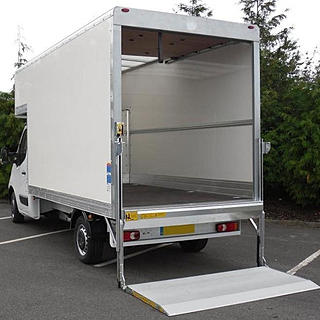
Moving your office in London can grind productivity to a halt if not planned with precision. Every delay, missed permit, or uncoordinated IT move adds hours of downtime your business cannot afford. This guide lays out practical steps for office relocation London managers can trust to keep operations running smoothly. Follow these clear actions to reduce disruption and protect your team’s focus from day one. Learn more about planning an office move in London.
Planning Your Office Move
Starting with a solid plan is crucial for a successful office relocation in London. Here's how you can ensure a smooth transition without interrupting your business flow.
Creating an Office Move Checklist
A checklist guarantees nothing is missed during your move. Begin by listing all items to be relocated. This includes desks, chairs, IT equipment, and files. Divide the checklist by departments to manage inventory easily. Next, assign a responsible person for each section. This individual will oversee packing and ensure everything is accounted for, reducing the risk of forgotten items. Finally, review the checklist with your team regularly, updating it as needed to include new items and ideas.
Coordinating Workplace Relocation Timeline
Organising a timeline keeps your move on track. Start by setting a move date, and work backwards to allocate time for each task. For example, you might need to notify your landlord and book a London removal company three months in advance. Create a timeline that accommodates these tasks, ensuring nothing overlaps or causes delays. Share this timeline with your team so everyone knows their responsibilities and deadlines.
Conducting a Risk Assessment for Office Moves
A risk assessment identifies potential problems before they arise. Begin by examining the layout of your current and new office spaces. Consider factors such as stair access, parking, and lift availability. Identify hazards like potential trip points and ensure they're addressed. Additionally, work with a move manager to oversee health and safety during moves, ensuring compliance with regulations and reducing the risk of accidents.
Preparing for Moving Day
With the planning phase complete, it's time to prepare for the move itself. Here's how to manage the physical aspects of your office relocation.
Packing Service for Offices
Hiring a packing service saves time and stress. Professionals handle delicate items, ensuring everything is packed securely. This service can also include labelling, which simplifies unpacking at your new location. Proper labelling reduces downtime, as employees can quickly find and set up their workstations.
Desk and Furniture Relocation
Relocating furniture requires careful planning to avoid damage. Begin by measuring office furniture and doorways to ensure everything fits. Disassemble large items like desks and shelving units, and label each piece for easy reassembly. Consider hiring a team specialising in desk and furniture relocation to avoid potential damage.
IT Equipment Move London
Moving IT equipment is a critical component of any office relocation. First, back up all important data to prevent loss during the move. Then, develop a plan for disconnecting and reconnecting devices. Label cables and components clearly, ensuring a smooth setup in your new office. Engage an IT professional to oversee this process, reducing the risk of technical issues.
Navigating London Logistics
Navigating London's logistics can be challenging, but planning can ease the process.
Building Access and Lift Booking
Ensure you have secured building access and booked any necessary lift services. Confirm these details with both your current and new building managers. Pay attention to building rules, such as allowable moving hours and lift capacity, to prevent last-minute surprises.
Parking Suspension and Permits
Securing parking permits is essential for a successful move. Contact your local council to arrange for parking suspensions and permits. This will ensure that your moving vehicles have a place to park, reducing delays and streamlining the process.
Understanding Congestion Charge and ULEZ
Be aware of London's Congestion Charge and Ultra Low Emission Zone (ULEZ) fees. These charges can impact your moving costs, so plan accordingly. Research routes and schedules to minimise these charges, keeping your move within budget.
Frequently Asked Questions
What should be included in an office move checklist? Include all items to be moved, assigned responsibilities, and regular review points. Divide the checklist by department to ensure thorough coverage.
How do I coordinate a workplace relocation timeline? Set a move date and work backwards. Allocate time for each task and communicate the timeline with your team to ensure everyone knows their responsibilities.
What are the key considerations for an IT equipment move in London? Back up data, plan for disconnection and reconnection, label components, and involve an IT professional to manage the process.
How can I manage parking for my London office move? Contact your local council for parking suspensions and permits. Secure parking spaces in advance to avoid delays.
What are the financial impacts of the Congestion Charge and ULEZ on my move? Plan routes and schedules to minimise charges. Consider these fees in your moving budget to prevent unexpected expenses.



Comments