.png)
Office relocation planning in London: organise desks, files and equipment with less disruption
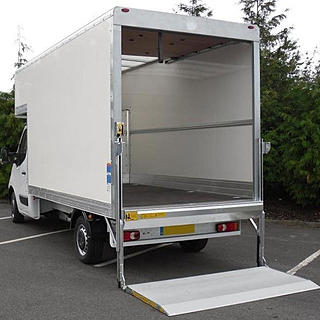
Office relocation London can feel overwhelming when desks, files and IT equipment need careful handling without halting your team’s work. You need a clear, practical plan that keeps disruption low and protects valuable assets throughout the move. This guide breaks down how to organise desks and files, manage IT equipment moves London and minimise office downtime so your business keeps running smoothly. Ready to plan your London office move? Request a clear quotation or book a call with our move planner today. Learn more about London.
Planning Your London Office Move
The journey of relocating an office involves more than just moving desks and chairs. It demands a structured approach to prevent disruption and safeguard your assets.
Creating a Comprehensive Checklist
A well-prepared checklist is your best ally in an office move. Start by identifying all items to be moved, including desks, files, and IT equipment. This inventory helps in determining the resources and time needed. Break down the tasks into smaller steps: pack non-essential items first, then progressively move to more important ones as the day approaches. By doing this, you ensure a smoother transition, reducing the risk of oversight.
Consider involving your team in this process. They can highlight specific needs or concerns about their workspaces. This collaboration not only streamlines the move but also boosts morale by showing that every voice matters in the relocation process. Remember, the longer you wait, the more you risk unnecessary stress. Early planning keeps surprises at bay.
Assessing Desks and Equipment Needs
Understanding what each team member requires at their desk is crucial. Not all desks are the same, and neither are the needs of every employee. Conduct a survey to gather insights into what should stay or be replaced. This exercise offers a double benefit: it declutters your new space and ensures that everyone has what they need.
Beyond desks, consider your IT equipment. Assess which items need special handling. Monitors, computers, and other tech gear often require more care to prevent damage. This assessment phase is not just about moving items but also about enhancing your work environment. By taking stock now, you set the stage for a more functional and organised office.
Coordinating with Building Management
Communication with building management is a must. Discuss the logistics of the move with them, including access to lifts, parking restrictions, and any special requirements they may have. Knowing these details helps in avoiding last-minute hiccups.
Building management can also provide insights into optimal moving times, which can help you avoid clashing with other tenants. Their cooperation is a key factor in a seamless move. This coordination ensures that your relocation is as efficient as possible, saving both time and effort.
Minimising Office Downtime
Keeping your business running during a move requires strategic planning. The goal is simple: maintain productivity while shifting locations.
Efficient Desk and File Organisation
Organising desks and files efficiently is pivotal. Start by categorising files based on their importance and frequency of use. Label boxes clearly to ensure quick retrieval at the new location. This organisation ensures that your team can get back to work without unnecessary delays.
Desks should be dismantled with care, keeping all parts together to avoid confusion later. Assign a team member to oversee this process, ensuring that nothing is misplaced. Remember, a well-organised move reduces stress and boosts team morale. Your team will appreciate the effort you put into making their transition as smooth as possible.
Protecting Monitors and IT Equipment
Your IT equipment is critical to your operations. Protecting monitors and computers is a priority. Use sturdy packing materials and ensure each item is cushioned adequately. This precaution prevents potential damage during transport.
Consider hiring professionals for this part of the move. They have the expertise to handle sensitive equipment with care. By delegating this task, you can focus on other aspects of the move, knowing your tech is in good hands. This decision might seem like an additional cost, but it safeguards against expensive repairs or replacements.
Strategic Labelling and Packing
Labelling and packing might seem straightforward, but doing it strategically can save time and reduce confusion. Use specific labels that indicate the contents and destination of each box. This practice allows for easier unpacking and setup at the new office.
Choose uniform packing materials for consistency and stackability. This method speeds up both the loading and unloading processes. Efficient packing is an art that ensures a smoother transition, making the new office setup quicker and less stressful for everyone involved.
Ensuring a Smooth Transition
Once everything is packed and ready, attention shifts to executing the move with minimal disruption.
Scheduling with Facilities in Mind
The timing of your move is crucial. Schedule it during off-peak hours to minimise impact on both your team and building operations. This timing ensures that you have ample access to lifts and loading docks without competing with other tenants.
Consider public transport schedules and road conditions on the moving day. This foresight helps in avoiding unnecessary delays. A well-timed move is a stress-free move, setting the tone for productivity from day one in your new office.
Coordination with a London Moving Company
Choosing a reliable London moving company is essential. Look for commercial removals in London that understand the city's unique challenges. Their local expertise can make a significant difference in the smoothness of your move.
Discuss your needs with them in detail. Clear communication ensures they bring the right equipment and crew for the job. Their experience in handling office moves can introduce efficiencies you might not have considered. Trust in their expertise to guide the move effectively.
Finalising Your Move Plan and Quote
As the move date approaches, finalise your plan and request a detailed quote. Ensure it covers all aspects, from packing to transport and setup at the new location. A comprehensive quote prevents unexpected costs, allowing you to budget accurately.
Review the plan with your team one last time. This review ensures everyone is on the same page, ready for the transition. A well-executed plan is the key to a successful move, where every element has been considered and accounted for.
Frequently Asked Questions
What is the best way to organise desks for an office move? Start by categorising each desk's contents. Label boxes according to importance and frequency of use. This method ensures a quick setup at the new location.
How do I protect IT equipment during a move? Use sturdy packing materials and cushion each item adequately. Hiring professionals can add an extra layer of security, ensuring sensitive equipment is handled with care.
How should I coordinate with building management for an office move? Communicate logistics, including access to lifts, parking, and any special requirements. This coordination avoids last-minute issues and ensures a smooth process.


Comments