.png)
Office relocation planning in London: a step-by-step guide to a carefully managed move
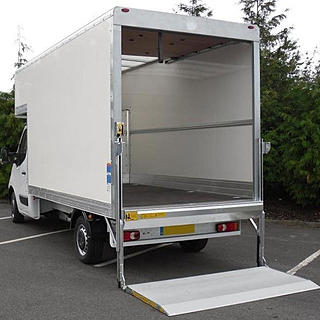
Office relocation London is rarely simple, especially when every detail matters. You’re juggling headcounts, IT setups, parking restrictions and tight timelines across busy London boroughs. This guide breaks down the steps you need to plan a managed office move with confidence, minimising downtime and keeping your team on track. Ready to take control of your move? Keep reading for a clear, practical roadmap tailored to London’s unique challenges. Watch this video for more insights.
Setting Objectives and Timelines
Embarking on an office move in London requires clear goals and structured timelines. Here's how to set yourself up for success.
12–8 Weeks Before Move
Start early to ensure a smooth transition. During these weeks, outline your primary objectives. Decide what needs to be moved and what can be donated or sold. Create a detailed timeline, marking key milestones. This stage is about laying the foundation for your move. Consider potential challenges, especially with IT relocation and communication with your team. Ensure everyone is aware of their roles and responsibilities.
6–4 Weeks Countdown
As you get closer to the move, focus on finer details. Confirm your relocation team and ensure they know their tasks. Begin packing non-essential items and notify clients and suppliers of your impending change of address. This is also the time to confirm your logistical arrangements, such as parking suspensions in London and goods lift bookings.
Final Weeks and Moving Day
The last weeks are all about execution. Make sure your team is prepared for the move. Check every item is packed and labeled correctly. On the moving day, oversee the process to ensure everything goes according to plan. Communication is key; keep everyone informed and address any issues promptly.
Detailed Scope Capture
Nailing down the specifics of your relocation is crucial. Let's delve into the two main components of scope capture.
Accurate Inventory Assessment
Before making any moves, conduct a thorough inventory assessment. List every item that needs moving, from desks to IT equipment. This is your chance to identify what's essential and what's not. By having an accurate inventory, you ensure nothing gets lost in the shuffle. Remember, a precise list helps streamline the packing process and minimizes confusion on moving day.
Destination Floor Plan Considerations
Understanding your new office layout is crucial. Obtain a floor plan of your new location and determine where everything will go. This helps prevent chaos on moving day and ensures a smooth transition. Discuss the plan with your team, so everyone is on the same page. Knowing where things belong in advance saves time and reduces stress.
Access and Coordination Planning
The logistics of moving in a bustling city like London can be tricky. Here's how to navigate potential hurdles.
Navigating London Parking Restrictions
Parking in London is notoriously challenging. Securing a suspension for parking restrictions is essential for your move. Make arrangements well in advance to avoid last-minute issues. Having a designated spot for loading and unloading streamlines the process and keeps things moving smoothly.
Building Management and Permits Coordination
Engage with your new building's management team early on. Understand their requirements for moving in and ensure you have all necessary permits. This step is vital to prevent any access issues on moving day. Clear communication with building management helps avoid surprises and keeps your move on track.
Frequently Asked Questions
1. How far in advance should I start planning my office relocation in London?
Begin planning at least 12 weeks before your move. This timeframe allows you to address potential challenges, coordinate logistics, and ensure everything is in place for a smooth transition.
2. What are the common challenges faced during an office move in London?
Challenges include navigating parking restrictions, coordinating with building management, and ensuring minimal disruption to business operations. Planning ahead and maintaining clear communication with all parties can help mitigate these issues.
3. How can I minimize downtime during my office relocation?
Minimize downtime by having a detailed plan, clearly communicating with your team, and prioritizing the setup of essential equipment at your new location. A well-organized move ensures your business operations continue with minimal disruption.
4. What should be included in an office move inventory assessment?
Your inventory should include all items to be moved, such as desks, chairs, IT equipment, and files. An accurate assessment ensures nothing is overlooked and helps streamline the packing process.
5. How do I secure parking for my office move in London?
To secure parking, apply for a suspension of parking restrictions well in advance. This ensures a designated spot for loading and unloading on moving day, facilitating a smoother process.


Comments