.png)
Efficient Office Move Planning Guide
- que-removals
- Apr 20
- 4 min read
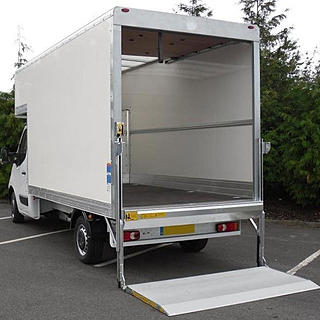
Moving an office can feel like trying to solve a giant jigsaw puzzle while riding a rollercoaster. There’s a lot to juggle - from packing up desks to coordinating IT setups - all while keeping the business running smoothly. But with the right approach, an office move can be a breeze rather than a headache. This guide dives into the nuts and bolts of efficient office move planning, helping businesses in London and surrounding areas glide through relocation with confidence and ease.
Mastering Efficient Office Move Planning
The secret sauce to a smooth office move is planning. Without a solid plan, chaos creeps in, deadlines slip, and stress skyrockets. Here’s how to get ahead of the game:
Start Early: Begin planning at least 3 months before the move date. This gives ample time to organise, communicate, and troubleshoot.
Create a Move Team: Assign a dedicated team responsible for different aspects of the move - logistics, IT, communications, and employee coordination.
Set Clear Goals and Deadlines: Define what success looks like. Is it zero downtime? Minimal disruption? Clear deadlines keep everyone on track.
Budget Wisely: Factor in all costs - packing materials, professional movers, IT setup, and unexpected expenses.
By breaking down the move into manageable chunks, the process becomes less daunting and more controllable.

Step-by-Step Office Move Planning Essentials
Moving an office is like conducting an orchestra - every part must play in harmony. Here’s a stepwise approach to keep the rhythm smooth:
1. Inventory and Declutter
Start by taking stock of everything. What’s essential? What’s outdated or broken? This is the perfect time to declutter. Less stuff means less to move, saving time and money.
Use spreadsheets or inventory apps to list furniture, equipment, and supplies.
Decide what to donate, recycle, or sell.
Label items clearly to avoid confusion later.
2. Choose the Right Moving Partner
Not all movers are created equal. Look for specialists experienced in office relocations, especially in London’s busy streets and tight schedules.
Check reviews and ask for references.
Confirm insurance and licensing.
Discuss your specific needs - fragile equipment, IT infrastructure, or sensitive documents.
3. Plan the Layout of the New Space
Don’t just move in and figure it out later. Design the new office layout in advance.
Consider workflow, team collaboration, and future growth.
Use software or simple floor plans to visualise desk arrangements and storage.
Communicate the plan to employees to manage expectations.
4. Schedule IT and Utilities Setup
Technology is the backbone of any office. Coordinate with IT teams to ensure minimal downtime.
Backup all data before the move.
Schedule disconnection and reconnection times.
Test all systems before the first workday in the new office.
5. Communicate, Communicate, Communicate
Keep everyone in the loop. Regular updates reduce anxiety and confusion.
Send out move timelines and checklists.
Hold Q&A sessions.
Provide clear instructions for packing personal and work items.

Packing Like a Pro: Tips and Tricks
Packing is where the rubber meets the road. Done right, it speeds up unpacking and protects valuable assets.
Use Quality Materials: Sturdy boxes, bubble wrap, and packing tape are must-haves.
Label Everything: Include contents and destination room on each box.
Pack by Department: This keeps things organised and helps movers know where to place items.
Protect Fragile Items: Wrap monitors, glass, and electronics carefully.
Create a ‘First Day’ Box: Include essentials like stationery, chargers, and snacks to keep the first day stress-free.
Navigating the Big Day
The moving day is the climax of all the planning. Here’s how to keep it smooth:
Early Start: Begin early to avoid London traffic and give movers plenty of daylight.
Supervise the Move: Have the move team on-site to answer questions and direct movers.
Keep Employees Informed: Let staff know when they can access the new office.
Safety First: Ensure walkways are clear and heavy items are handled properly.
Settling In and Beyond
Once the boxes are unpacked, the work isn’t over. The new office needs to feel like home.
Unpack Strategically: Prioritise essential areas like reception, meeting rooms, and workstations.
Test All Equipment: Make sure phones, printers, and internet are fully operational.
Gather Feedback: Ask employees about the new space and any issues.
Celebrate the Move: A small welcome event or treats can boost morale and mark a fresh start.
Moving offices doesn’t have to be a nightmare. With this office move planning guide, businesses can turn relocation into a well-choreographed dance. The key is preparation, communication, and choosing the right partners to help every step of the way.
Making the Move Stress-Free and Successful
Relocating an office in London’s bustling environment demands precision and care. By following these tips, businesses can avoid common pitfalls and enjoy a smooth transition. Remember, the goal is not just to move but to move efficiently - saving time, money, and sanity.
With the right mindset and a solid plan, the new office will be up and running before anyone misses the old one. Here’s to fresh starts and new opportunities!


Comments