.png)
Comprehensive Guide to an Office Move in London
- que-removals
- Jan 19
- 4 min read
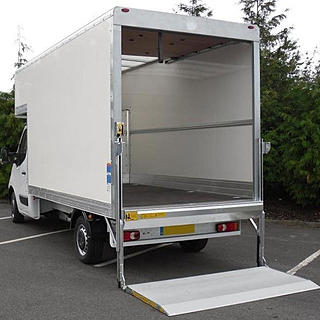
Moving an office in London can feel like trying to solve a giant jigsaw puzzle while riding a rollercoaster. The city’s hustle and bustle, narrow streets, and strict regulations add layers of complexity to what might otherwise be a straightforward task. But fear not! This comprehensive guide will walk through every step of an office move in London, turning what seems like chaos into a smooth, well-orchestrated dance.
Planning Your Office Move in London: The Blueprint for Success
Before the first box is taped or the first desk is disassembled, planning is the secret sauce. A well-thought-out plan saves time, money, and sanity.
Set a realistic timeline: London’s traffic and building access restrictions mean moving day can’t be rushed. Start planning at least 3 months ahead.
Create a detailed inventory: List every item, from computers to coffee machines. This helps with packing and ensures nothing gets left behind.
Assign a move manager: Someone who keeps track of progress, communicates with the team, and handles unexpected hiccups.
Notify stakeholders early: Inform employees, clients, suppliers, and service providers about the move date and new address.
Budget wisely: Include costs for professional movers, packing materials, IT setup, and potential downtime.
By laying this groundwork, the move becomes less like a leap into the unknown and more like a well-rehearsed performance.

Navigating the Logistics of an Office Move in London
London’s unique environment demands special attention to logistics. From parking permits to lift bookings, every detail counts.
Book parking and loading bays in advance: Many London boroughs require permits for moving vans. Contact the local council early to avoid fines.
Schedule lift and building access: Confirm with building management the availability of service lifts and loading docks.
Choose the right moving company: Look for specialists experienced in London office moves. They understand the city’s quirks and can navigate narrow streets and congestion zones.
Plan for IT and telecom disconnection/reconnection: Coordinate with your IT team and providers to minimise downtime.
Prepare for waste disposal: Arrange for recycling or disposal of unwanted furniture and packing materials.
These logistical steps are the nuts and bolts that keep the move running smoothly, preventing last-minute surprises.

Packing Like a Pro: Tips for a Stress-Free Office Move
Packing is often the most time-consuming part of any move. Doing it right can save headaches later.
Use quality packing materials: Sturdy boxes, bubble wrap, and packing tape protect your equipment.
Label everything clearly: Use colour-coded labels for departments or floors. Include contents and destination room.
Pack non-essential items first: Start with archives, decorations, and rarely used equipment.
Back up all digital data: Before disconnecting computers, ensure all files are safely backed up.
Disassemble furniture carefully: Keep screws and small parts in labelled bags taped to the furniture.
Create a ‘moving day essentials’ box: Include items like chargers, stationery, and snacks for the first day in the new office.
Packing with precision turns a potential mess into a neat, organised process.
Settling Into Your New London Office: Making It Feel Like Home
Once the boxes arrive, the real fun begins. Setting up quickly and efficiently helps everyone get back to work without delay.
Unpack by priority: Start with IT equipment, then essential furniture, followed by personal items.
Test all systems: Check internet, phones, and printers before the first workday.
Arrange a welcome briefing: Help staff familiarise themselves with the new layout, emergency exits, and facilities.
Personalise the space: Add plants, artwork, or branded items to create a welcoming atmosphere.
Schedule a post-move review: Gather feedback to identify any issues and improve future moves.
A well-settled office boosts morale and productivity, making the move worthwhile.
Avoiding Common Pitfalls in an Office Move
Even the best plans can hit snags. Here are some common pitfalls and how to dodge them:
Underestimating time: London traffic and building restrictions can cause delays. Build buffer time into your schedule.
Ignoring communication: Keep everyone informed to reduce confusion and frustration.
Overlooking IT needs: Poor coordination can lead to costly downtime.
Neglecting insurance: Ensure your move is covered for damage or loss.
Forgetting to update addresses: Notify banks, suppliers, and clients promptly to avoid disruptions.
By anticipating these challenges, the move becomes less of a gamble and more of a guaranteed win.
Making Your Office Move London Experience a Breeze
For those seeking a hassle-free transition, partnering with a trusted moving company is key. A professional team familiar with the ins and outs of London can handle everything from packing to transport, leaving you free to focus on business continuity.
If you want to explore expert help, consider office move london services that specialise in smooth, efficient relocations tailored to the city’s unique demands.
Moving an office in London doesn’t have to be a headache. With the right plan, logistics, and support, it can be an exciting fresh start. So, roll up those sleeves, grab your checklist, and get ready to turn the page to a new chapter in your business journey!
Comments